

Baofeng UV-5R Frequency Table: A Key Guide to Unlocking the Communication Potential of Walkie Talkies
2025-08-11
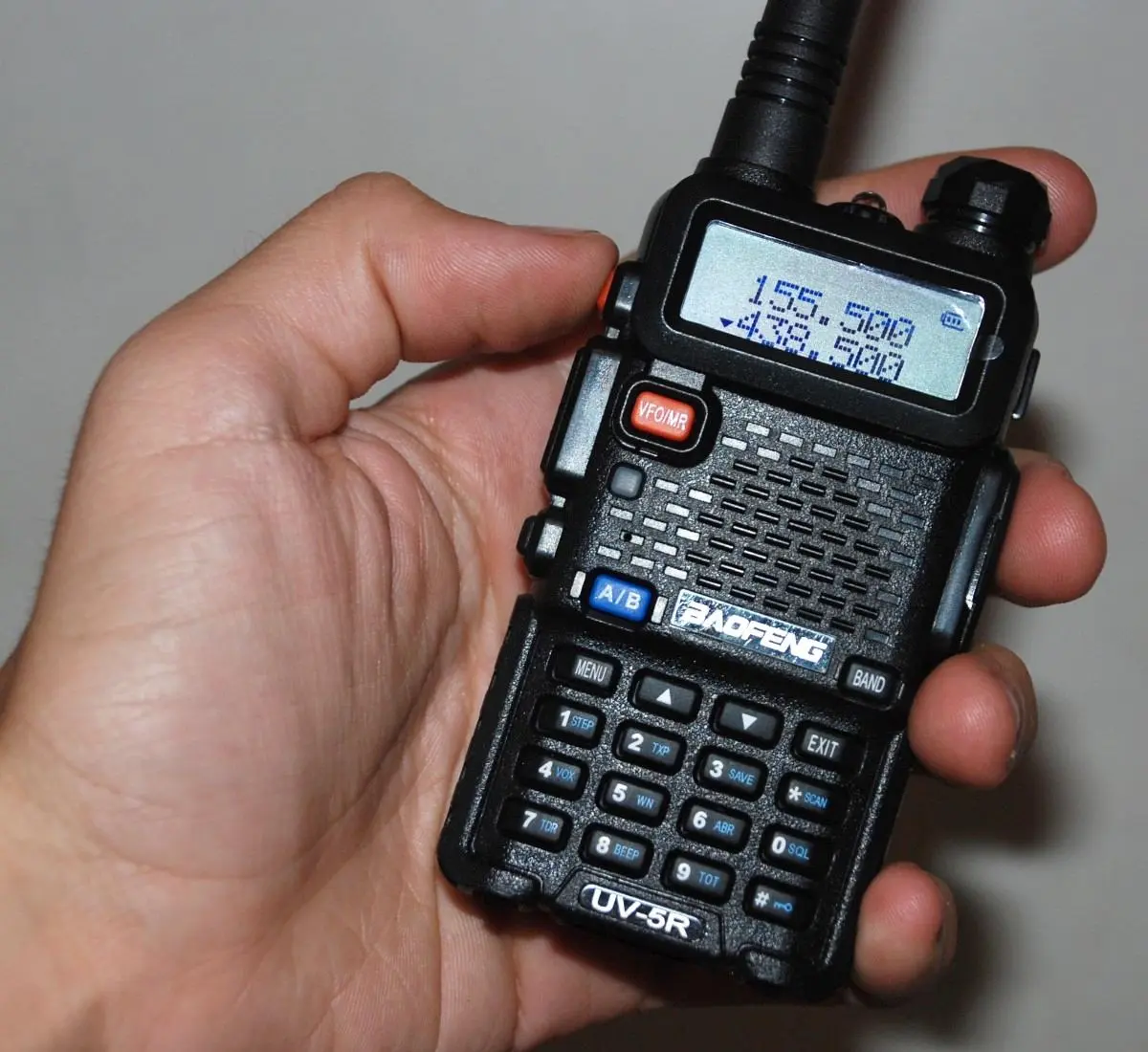
The Baofeng UV-5R, as a globally best-selling dual-band walkie talkie (walkie talkie, two way radios), its flexible frequency setting function is one of the core advantages attracting users. And "tabla de frecuencias Baofeng Uv-5r" (Baofeng UV-5R frequency table) has become a practical tool for users to efficiently configure equipment and avoid communication interference. Both amateur enthusiasts and commercial teams can achieve stable communication through reasonable frequency planning.
Frequency Range and Compliance: The Premise of Safe Communication
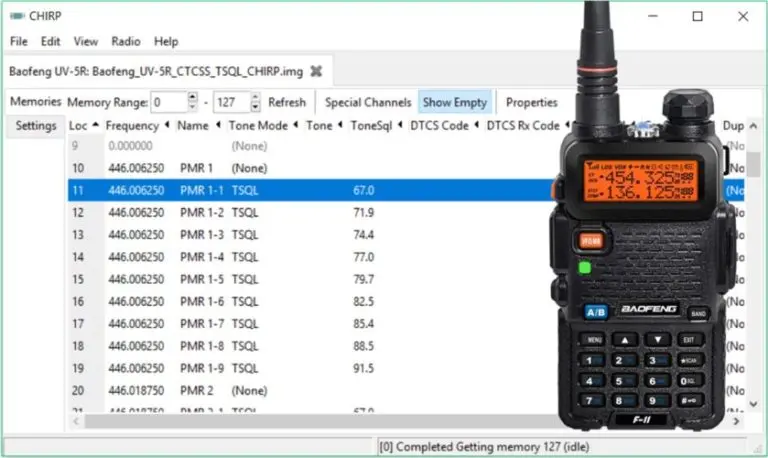
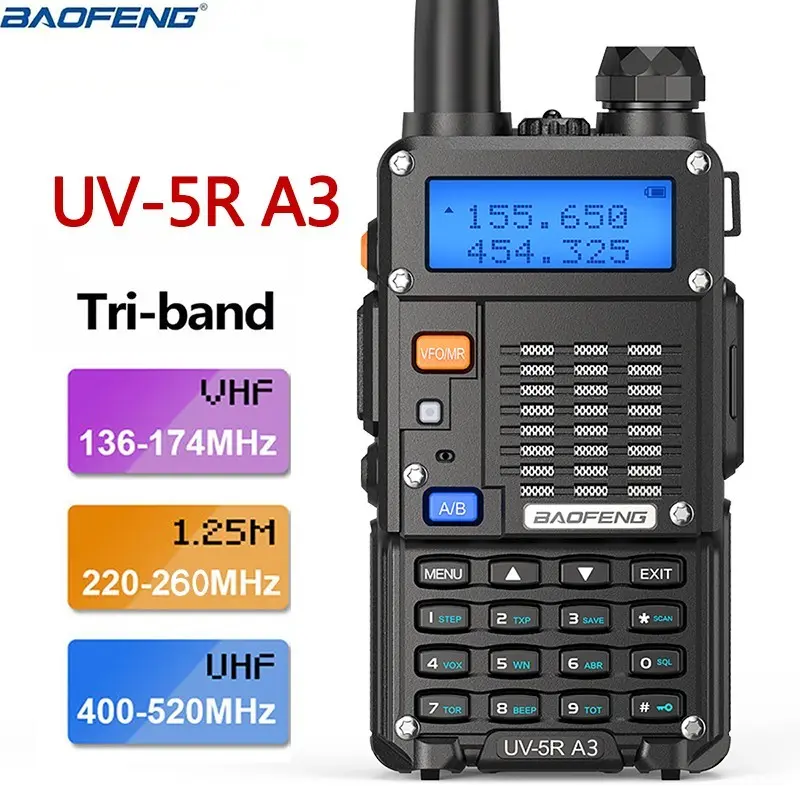
The Baofeng UV-5Rsupports dual bands of VHF (136-174mhz) and UHF (400-520MHz), covering civil, commercial and some amateur radio frequency bands. However, it should be noted that different countries and regions have strict regulations on the use of radio frequencies: in China, 409-410MHz belongs to the civil license-free frequency band (power ≤ 0.5W), which is suitable for family gatherings and small events; while 430-440MHz is an amateur radio frequency band, which requires an operation certificate for legal use.
The core value of the frequency table lies in standardizing frequency use. For example, unauthorized use of dedicated frequency bands such as aviation and railway (such as 118-137MHz aviation frequency band) may interfere with public safety communication and face legal penalties. Therefore, users need to refer to the official frequency table and choose compliant frequency bands for setting.

Common Frequency Allocation: Adapting to Multi-Scenario Communication Needs
According to different usage scenarios, the frequency table of Baofeng UV-5R can be divided into the following common intervals, with recommended CTCSS (Continuous Tone-Coded Squelch System) to reduce interference:
Taking outdoor adventure as an example, 438.500MHz is a common "listening frequency" for domestic amateur radio enthusiasts. With 100.0Hz CTCSS, it can effectively filter out irrelevant signals. For commercial scenarios such as shopping malls, the 450-470MHz frequency band is chosen because of its strong diffraction ability, which is suitable for communication in multi-floor and multi-partition environments.
Frequency Setting Methods: From Manual to Software Programming
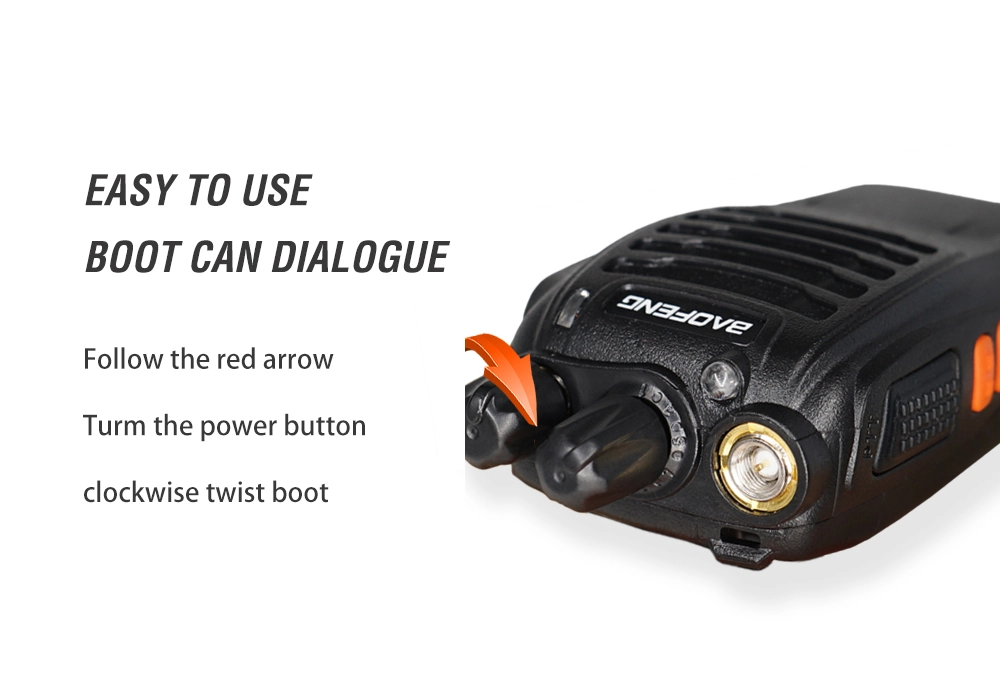
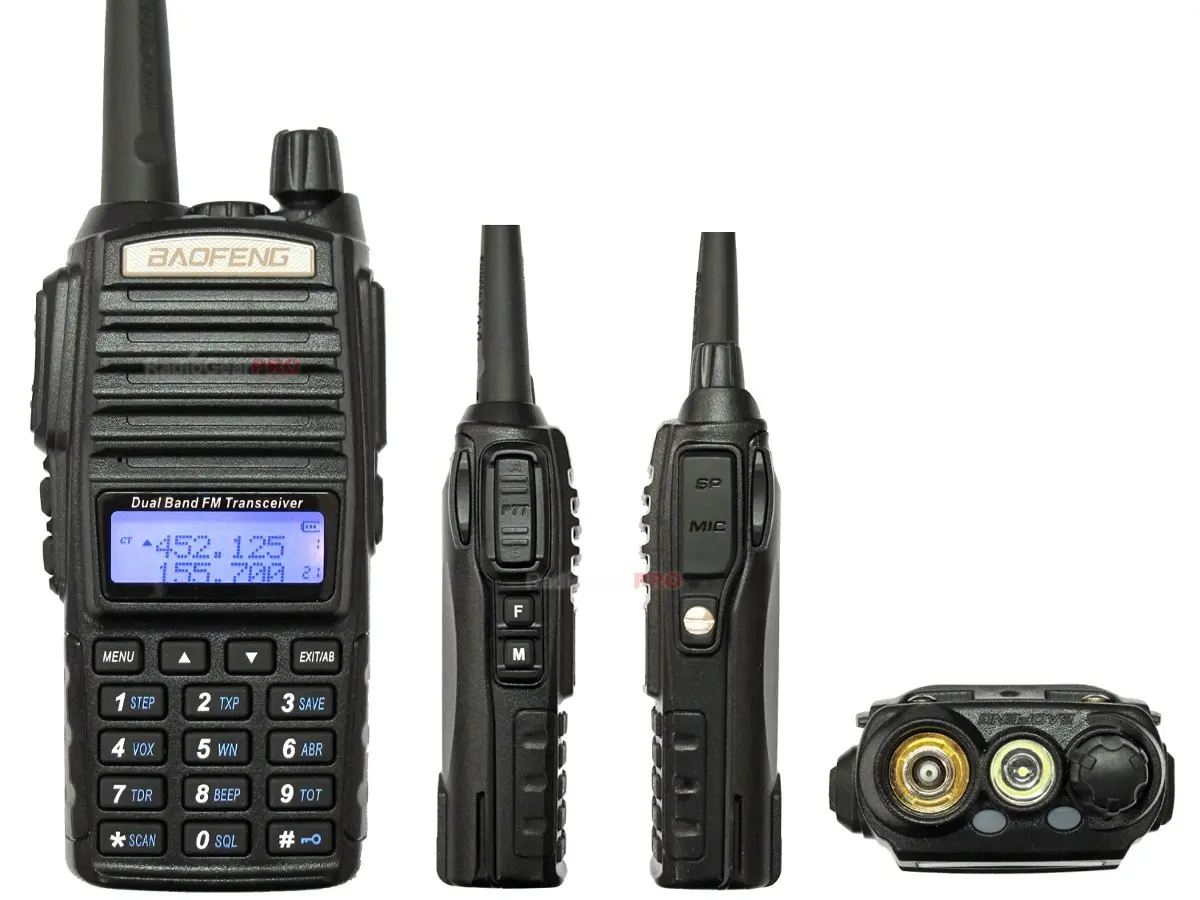
There are two ways to set the frequency of Baofeng UV-5R: manual programming and software programming. Manual setting needs to be operated on the walkie talkie panel. Press "VFO/MR" to switch to frequency mode, input the value and save the channel. The steps are simple but suitable for a single device; if batch configuration is needed (such as 50 devices in a team), it is recommended to use Baofeng programming software. Through the "frequency table template import" function, parameter synchronization of all devices can be completed within 10 minutes.
The frequency table also needs to be dynamically adjusted according to the environment. For example, in dense scenarios such as large exhibitions, there may be co-frequency interference from multiple walkie talkies. At this time, you can switch to the backup frequency (such as 460.375MHz) through the frequency table and modify the CTCSS to 141.3Hz to quickly restore clear communication.
Extended Application of Frequency Table: Enhancing Communication Efficiency
Advanced users can realize more functions through the frequency table:
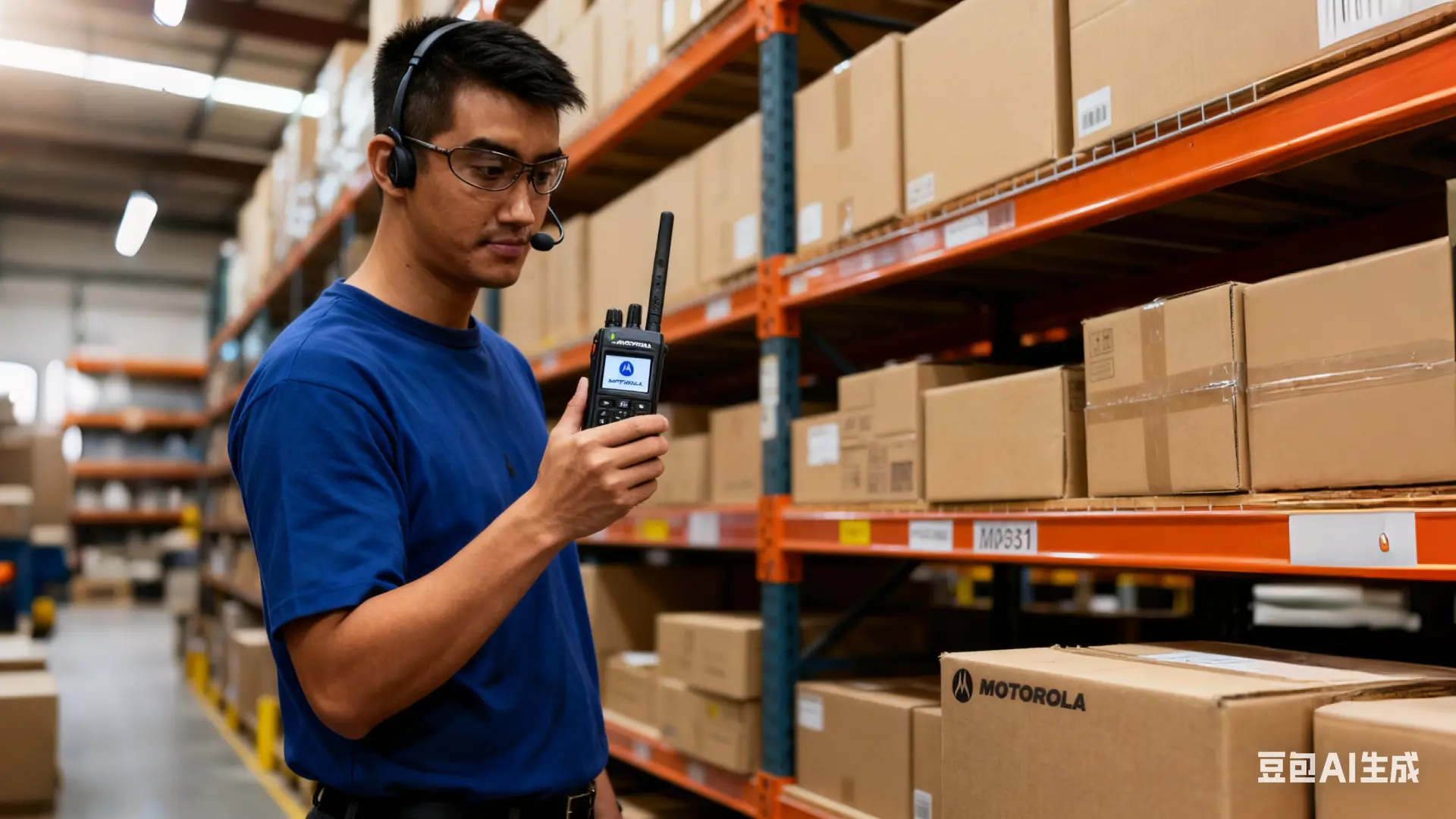
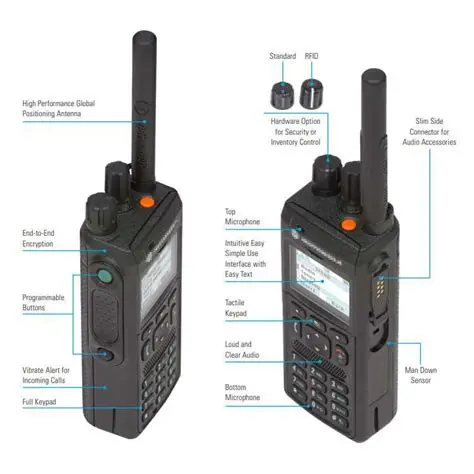
- Cross-brand communication: Baofeng UV-5R can communicate with walkie talkies of brands such as Motorola and Kenwood, as long as the same frequency and CTCSS are set in the frequency table;
- Repeater docking: Through the uplink/downlink frequencies in the frequency table (such as uplink 439.750MHz and downlink 430.750MHz), you can access the local amateur radio repeater, expanding the communication distance from 5km to more than 15km;
- Channel grouping management: Store the frequency table in groups according to team division of labor (such as security team, technical team), and quickly switch through the "channel scanning" function to improve scheduling efficiency.