

0102030405


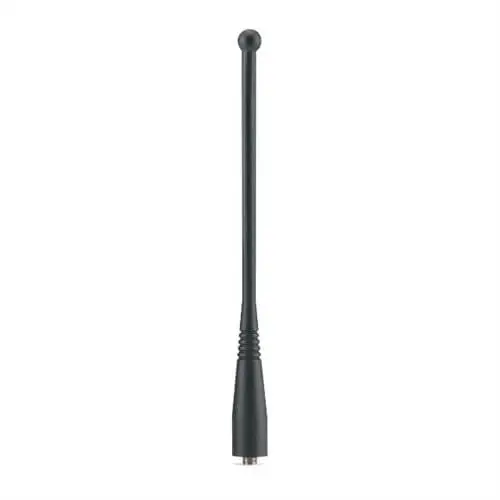
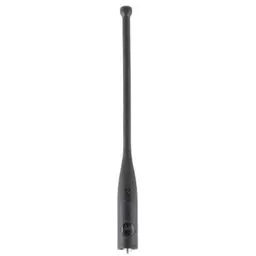
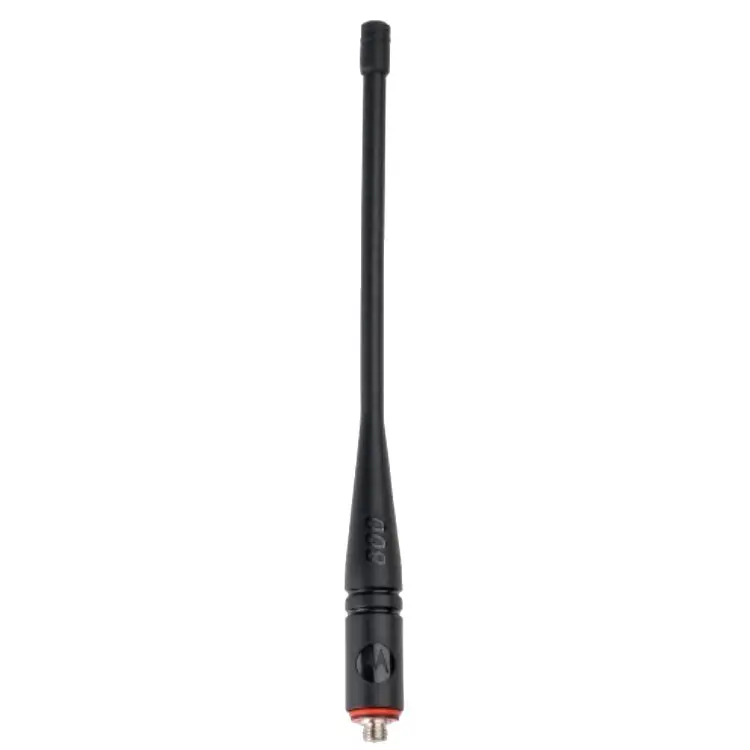
Motorola 900 mhz antenna
Function Introduction
01
900 MHz Band Optimization
Tuned specifically for 806–960 MHz, maximizing transmission efficiency for 2 Way Radios in urban or suburban environments. This precision surpasses multi-band Radio Walkie Talkie antennas, minimizing interference in crowded 900 MHz spectrums.
01
Diverse Form Factors
Available as whip, stubby, or panel designs (3–24 inches), adapting to 2 Way Radios users— from portable devices in tight spaces to mobile units needing extended range. This versatility outperforms fixed-design Radio Walkie Talkie antennas.
01
Variable Gain Options
2–5 dBi gain balances coverage and portability, ideal for 2 Way Radios in mid-sized facilities or outdoor areas. This performance exceeds low-gain alternatives, reducing dead zones in critical Radio Walkie Talkie operations.
Product Parameters
Dimension |
3-12 inches (7.6-30.5 cm) for portable; 12-24 inches (30.5-61 cm) for mobile |
Frequency Range |
806-960 MHz (900 MHz band) |
Type |
Whip, stubby, or panel antenna |
Gain |
Typically 2-5 dBi |
Power Handling |
Up to 25W |
Impedance |
50 ohms |
VSWR |
≤1.5:1 (typical for high-performance models) |
description2